
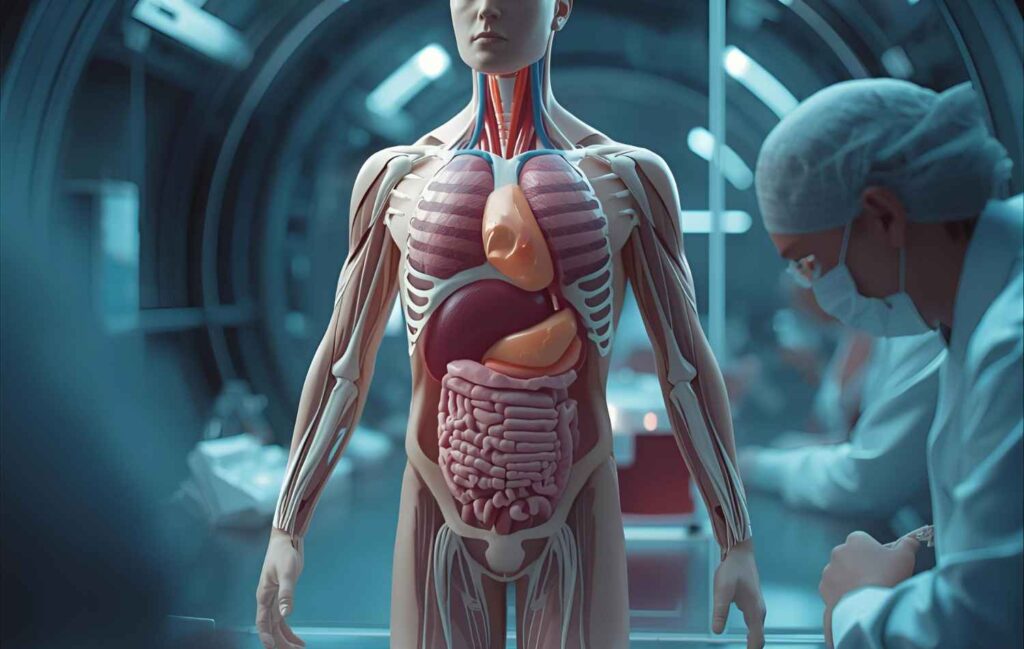
Human body simulation tools have revolutionized medical education, training, and research across virtually every medical specialty. These sophisticated technologies, ranging from high-fidelity mannequins to virtual reality systems, provide safe, repeatable, and cost-effective alternatives to traditional training methods. The ability to practice procedures, study pathology, and develop clinical skills without risk to real patients has transformed how medical professionals learn and maintain their expertise. As simulation technology continues to advance, its applications expand into new areas of medicine, offering unprecedented opportunities for medical education and research. This article explores the diverse medical fields where human body simulation tools are making significant contributions.
How Are Simulation Tools Transforming Emergency Medicine Training?
Emergency medicine represents one of the most simulation-intensive medical fields, where split-second decisions and rapid interventions can mean the difference between life and death. High-fidelity mannequins capable of simulating cardiac arrest, respiratory failure, and trauma scenarios provide invaluable training opportunities for emergency physicians, nurses, and paramedics.
Research from the Society for Simulation in Healthcare demonstrates that emergency medicine residents trained with simulation tools show 45% improvement in resuscitation skills and 35% better performance in managing critical scenarios. These simulators can replicate various physiological responses, allowing trainees to experience the pressure and complexity of real emergencies while learning proper protocols and procedures.
What Role Do Simulation Tools Play in Surgical Education?
Surgical simulation has evolved from basic suturing models to sophisticated virtual reality systems that replicate complex procedures. Laparoscopic simulators, robotic surgery trainers, and haptic feedback systems enable surgeons to practice intricate procedures repeatedly without patient risk. These tools are particularly valuable for minimally invasive surgery training, where traditional apprenticeship models are insufficient.
biotechanatomy provides cutting-edge simulation experiences combined with real human anatomy training. Our advanced scientific facility enables performing procedures on the real human body in a collaborative surgical environment, offering the best of both simulation technology and authentic anatomical experience.
How Are Simulation Tools Used in Cardiology and Cardiovascular Medicine?
Cardiovascular simulation encompasses everything from basic cardiac auscultation trainers to complex catheterization simulators. These tools enable cardiologists to practice interventional procedures, learn new techniques, and maintain proficiency in critical skills. Echocardiography simulators help technicians and physicians develop imaging skills, while cardiac catheterization simulators provide risk-free practice for complex interventional procedures.
Advanced cardiac simulators can replicate various pathological conditions, enabling healthcare providers to experience and learn to manage conditions they might rarely encounter in clinical practice. Studies from the American Heart Association show that simulation-trained cardiologists demonstrate superior procedural skills and reduced learning curves when transitioning to clinical practice.
What Applications Exist in Anesthesiology and Critical Care?
Anesthesiology relies heavily on simulation for training in airway management, crisis resource management, and handling of rare but critical complications. Anesthesia simulators can replicate malignant hyperthermia, cardiac arrest under anesthesia, and difficult airway scenarios, providing anesthesiologists with experience managing these high-stakes situations.
Critical care simulation focuses on ventilator management, hemodynamic monitoring, and multi-organ system failure scenarios. These simulations help intensivists develop skills in managing complex, critically ill patients and coordinating care in high-stress environments.
How Do Simulation Tools Support Obstetrics and Gynecology Training?
Obstetric simulation includes birthing simulators that can replicate normal deliveries, shoulder dystocia, breech presentations, and other complications. These tools are invaluable for training residents and midwives in managing obstetric emergencies that, while potentially catastrophic, are relatively rare in clinical practice.
Gynecologic simulation includes pelvic examination trainers, laparoscopic simulators for minimally invasive gynecologic surgery, and hysteroscopy trainers. These tools enable trainees to develop technical skills and clinical competence in a safe, controlled environment.
What Is the Impact in Pediatric and Neonatal Medicine?
Pediatric simulation presents unique challenges due to the wide range of patient sizes and developmental stages. Pediatric simulators range from premature infant models to adolescent-sized mannequins, each capable of simulating age-appropriate pathology and physiology.
Neonatal resuscitation simulators are particularly valuable given the critical nature of newborn emergencies and the relatively infrequent exposure residents have to these situations. Research from the American Academy of Pediatrics shows significant improvement in neonatal resuscitation performance following simulation-based training.
How Are Simulation Tools Revolutionizing Radiology Education?
Radiology simulation encompasses virtual imaging workstations, procedure simulators for interventional radiology, and diagnostic imaging trainers. These tools enable radiology residents to practice image interpretation, learn new imaging modalities, and develop procedural skills for interventional procedures.
Virtual reality systems allow radiologists to practice complex procedures like biopsies, drainage procedures, and vascular interventions in three-dimensional environments. These simulations provide haptic feedback and realistic imaging guidance, creating authentic training experiences without radiation exposure or patient risk.
What Applications Are Found in Nursing Education and Training?
Nursing simulation covers a broad spectrum from basic skills training to complex patient care scenarios. High-fidelity patient simulators enable nursing students to practice medication administration, patient assessment, and critical thinking in realistic clinical situations.
Task trainers for specific nursing skills include IV insertion simulators, catheterization trainers, and wound care models. These tools allow nursing students to practice essential skills repeatedly until achieving competency, ensuring patient safety when they transition to clinical practice.
How Do Simulation Tools Support Mental Health and Psychiatry Training?
Psychiatric simulation often involves standardized patients and virtual reality environments that recreate challenging mental health scenarios. These simulations help psychiatric residents and mental health professionals develop communication skills, crisis intervention techniques, and diagnostic interviewing abilities.
Virtual reality applications are increasingly used to help patients with phobias, PTSD, and anxiety disorders, while also providing training opportunities for mental health professionals to practice therapeutic interventions in controlled environments.
What Role Do Simulation Tools Play in Orthopedic Surgery?
Orthopedic simulation includes arthroscopy simulators, fracture reduction trainers, and joint replacement models. These tools are particularly valuable for orthopedic residents learning complex procedures that require precise spatial awareness and technical skill.
Medical team training includes comprehensive orthopedic simulation programs that combine virtual reality systems with real bone models, providing multi-modal learning experiences. Research from the American Academy of Orthopaedic Surgeons indicates significant improvement in surgical skills following simulation-based orthopedic training.
How Are Simulation Tools Used in Ophthalmology and Otolaryngology?
Ophthalmic simulation includes cataract surgery simulators, retinal surgery trainers, and diagnostic equipment simulators. These highly specialized tools enable ophthalmology residents to practice delicate microsurgical procedures that require exceptional precision and skill.
Otolaryngology simulation encompasses endoscopic sinus surgery simulators, temporal bone drilling systems, and airway management trainers. These tools are crucial for ENT training given the complex anatomy and high-risk nature of many procedures in this specialty.
What Applications Exist in Dermatology and Pathology?
Dermatology simulation includes skin examination trainers, dermoscopy simulators, and procedural models for skin biopsies and minor surgical procedures. These tools help dermatology residents develop diagnostic skills and learn to perform common dermatologic procedures.
Pathology simulation involves virtual microscopy systems, digital pathology platforms, and gross pathology trainers. These tools enable pathology residents to examine large numbers of cases and rare pathologic conditions that they might not encounter during traditional training.
How Do Simulation Tools Support Research and Development?
The medical world is evolving rapidly, and simulation is no longer used solely for training and education. Today, it has become a vital research tool, enabling scientists to test innovative procedures, develop advanced medical devices, and explore physiological processes — all without the ethical limitations of human trials.
Why Choose biotechanatomy?
Visit https://biotechanatomy.co.il to discover a unique combination of advanced simulation technologies and real human anatomy. This innovative platform offers researchers and educators unmatched opportunities to push the boundaries of medical knowledge.
- Support for researchers – Authentic anatomical models for device testing and procedure development.
- Unique opportunities – A seamless integration of simulation and true human anatomy.
- Education & training – Realistic environments that prepare professionals for real-world medical challenges.
Leading the Future of Medical Innovation
biotechanatomy is shaping the future of healthcare by bridging clinical training with breakthrough medical research. With our advanced tools and facilities, we empower researchers, developers, and educators to achieve new levels of medical excellence.
Shaping the Future of Medical Research & Development
biotechanatomy is setting new standards in Israel and beyond, bridging the gap between clinical training and medical innovation. By providing researchers and educators with state-of-the-art tools, we open the door to breakthrough discoveries and a new era of medical excellence.
What Is the Future of Simulation Technology in Medicine?
The future of medical simulation lies in the integration of artificial intelligence, machine learning, and advanced haptic technologies. AI-powered simulators will provide personalized learning experiences adapted to individual learner needs, while improved haptic feedback systems will create even more realistic tactile experiences.
Professional handling of remains, all under Ministry of Health supervision, ensures that simulation programs maintain the highest ethical and educational standards. The combination of advanced simulation technology with real anatomical training creates optimal learning environments for medical professionals.
How Do Simulation Tools Address Global Health Challenges?
Simulation technology offers solutions to global health education challenges by providing standardized, high-quality training opportunities regardless of geographic location. Portable simulators and virtual reality systems can bring advanced medical training to underserved areas, helping address healthcare disparities worldwide.
Telemedicine simulation and remote training capabilities enable expert instructors to provide guidance to learners in distant locations, expanding access to specialized medical education and training opportunities.
What Are the Economic Benefits of Simulation-Based Training?
While simulation systems require significant initial investment, they provide substantial long-term economic benefits through reduced training costs, improved efficiency, and better patient outcomes. Simulation-based training reduces the need for expensive clinical training time, minimizes patient risk, and accelerates skill development.
Organ supply for research – fresh or frozen according to research requirements – complements simulation training by providing authentic anatomical experiences that cannot be replicated by synthetic models alone. This combination approach maximizes educational value while optimizing resource utilization.
How Do Simulation Tools Ensure Competency and Certification?
Simulation-based assessment is increasingly used to evaluate clinical competency and support certification processes. Standardized simulation scenarios provide objective, reproducible methods for assessing clinical skills, decision-making abilities, and professional behaviors.
Many medical specialties now incorporate simulation-based examinations into their certification requirements, recognizing the value of hands-on assessment in evaluating clinical competence. These assessments provide more comprehensive evaluation of practical skills than traditional written or oral examinations alone.
Human body simulation tools have become indispensable across virtually every medical field, transforming how healthcare professionals learn, practice, and maintain their skills. From basic clinical skills training to advanced surgical procedures, simulation technology provides safe, effective, and economical training opportunities that enhance patient safety and improve healthcare outcomes. As technology continues to advance, the applications of simulation in medicine will undoubtedly expand, offering even greater opportunities for innovation in medical education and training. The integration of simulation tools with traditional anatomical training methods creates comprehensive educational experiences that prepare healthcare professionals for the challenges of modern medical practice.